Middle East
Gulf coast
Desalination at scaleA place to study mature infrastructure alongside energy use and brine impacts.
Water + land
A research direction connecting freshwater access, desalination, ecological restoration, and the limits of large-scale water movement.
Living field guide · interactive
Redistribluetion asks where carefully produced, reused, or redirected freshwater could relieve scarcity without exporting ecological damage somewhere else.
01 · Pull the levers
Move each control to explore the shape of the idea. The response is a conversation aid, not a forecast, ranking, or promise of impact.
02 · Places to learn from
These locations are starting points for comparison—not sites Lifeco claims to operate in.
Middle East
A place to study mature infrastructure alongside energy use and brine impacts.
03 · Visual atlas
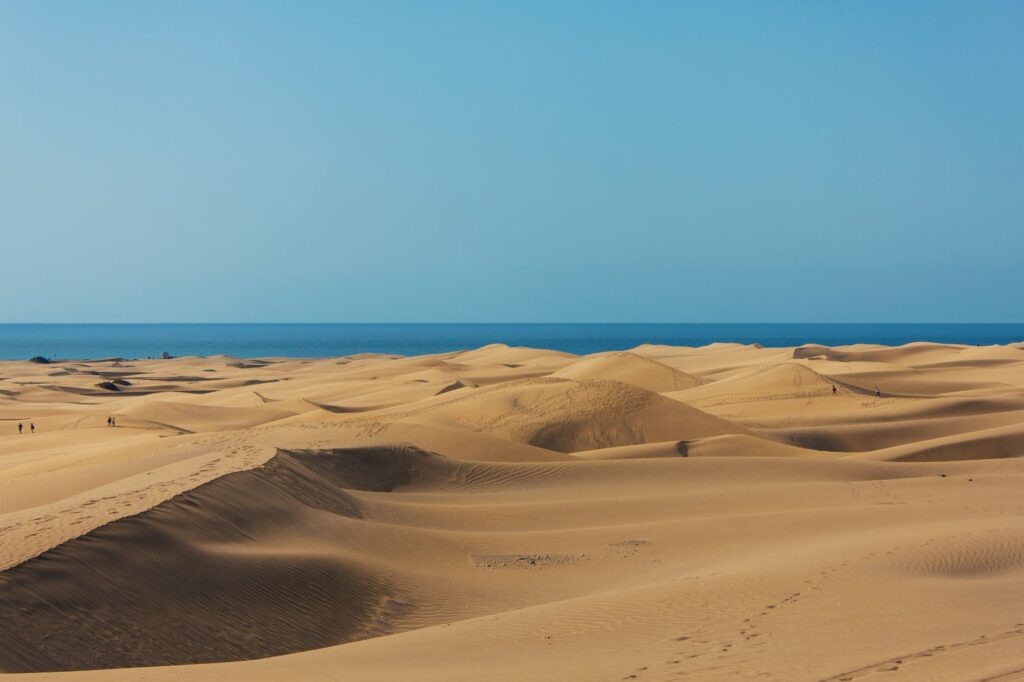
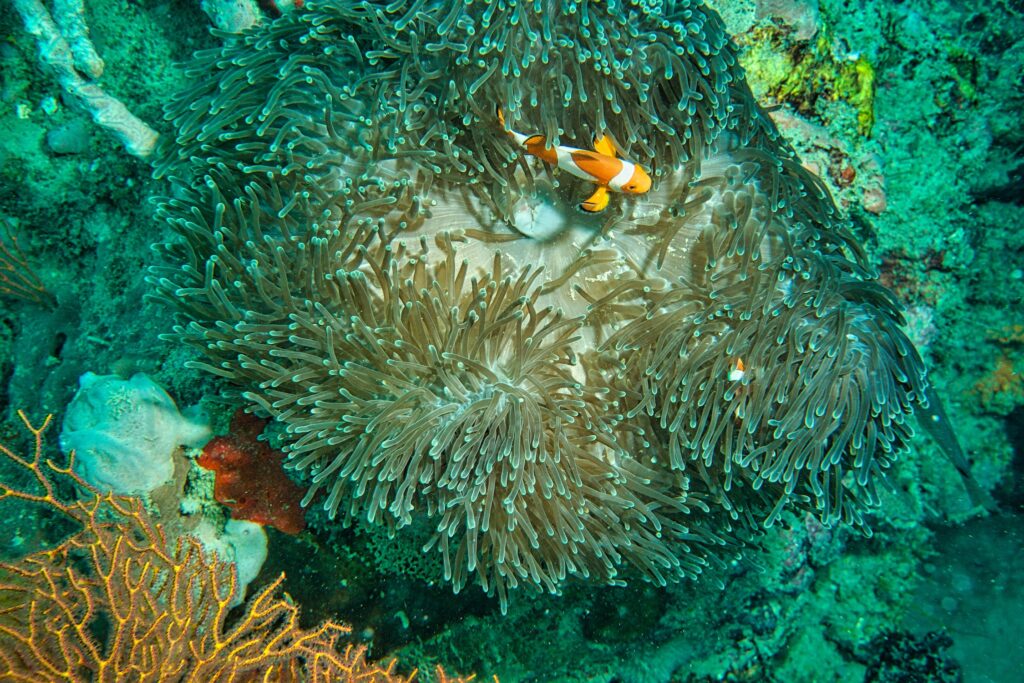

04 · Already in motion
Independent references, not partners or endorsements. Follow the links, examine the methods, and compare perspectives.
Global
Desalination and water reuse knowledge
Open resource ↗02Oakland · global
Water research and policy
Open resource ↗03Global
Household water and sanitation access
Open resource ↗04Global
Water risk data and solutions
Open resource ↗05Global
Land degradation and drought
Open resource ↗05 · Productive uncertainty
Who controls the water?
Two problems Earth is facing fit each other—our oceans are rising, and our deserts are growing.
We can solve both with tech we have today.
Redistribluetion finds places where desalination pipelines can do the most to nurture and restore life.
By bringing fresh water to dry areas, we’ll create self-sustaining cycles that meet multiple goals—countering rising sea levels, supporting wildlife and humans, and harvesting carbon into new plant growth.
As Redistribluetion develops, we’ll also partner with municipal systems to help deliver clean water to the billions of people who lack reliable access for drinking, gardening, and sanitation.
Redistribluetion is exploring where carefully designed water systems could improve human water security and help restore degraded freshwater ecosystems. The near-term work is research: identify places with severe water stress, compare conservation, reuse, watershed restoration, and desalination options, and understand who would benefit or bear the costs. Desalination may be useful in some coastal settings, but it is energy-intensive, creates concentrated brine, and is not a meaningful way to slow global sea-level rise.
These independent links are starting points for research. They are not endorsements, funding recommendations, or claims of partnership.
Research and relationship-building. Lifeco is not yet operating a field program under this project.
We are looking for water engineers, freshwater ecologists, utility planners, environmental-justice researchers, and people with community water-governance experience. If that is you, contact Lifeco and mention this project.